Regulation
If You Have Ever Boosted A Post, ARCON Is Looking For YOU
Back in February, ARCON started emailing small businesses asking for a million naira each over adverts they had boosted on Instagram. Then in June a court held that ARCON has no power to hand out fines at all, and almost everybody who wrote about that judgment wrote about Meta instead.
18 July 2026
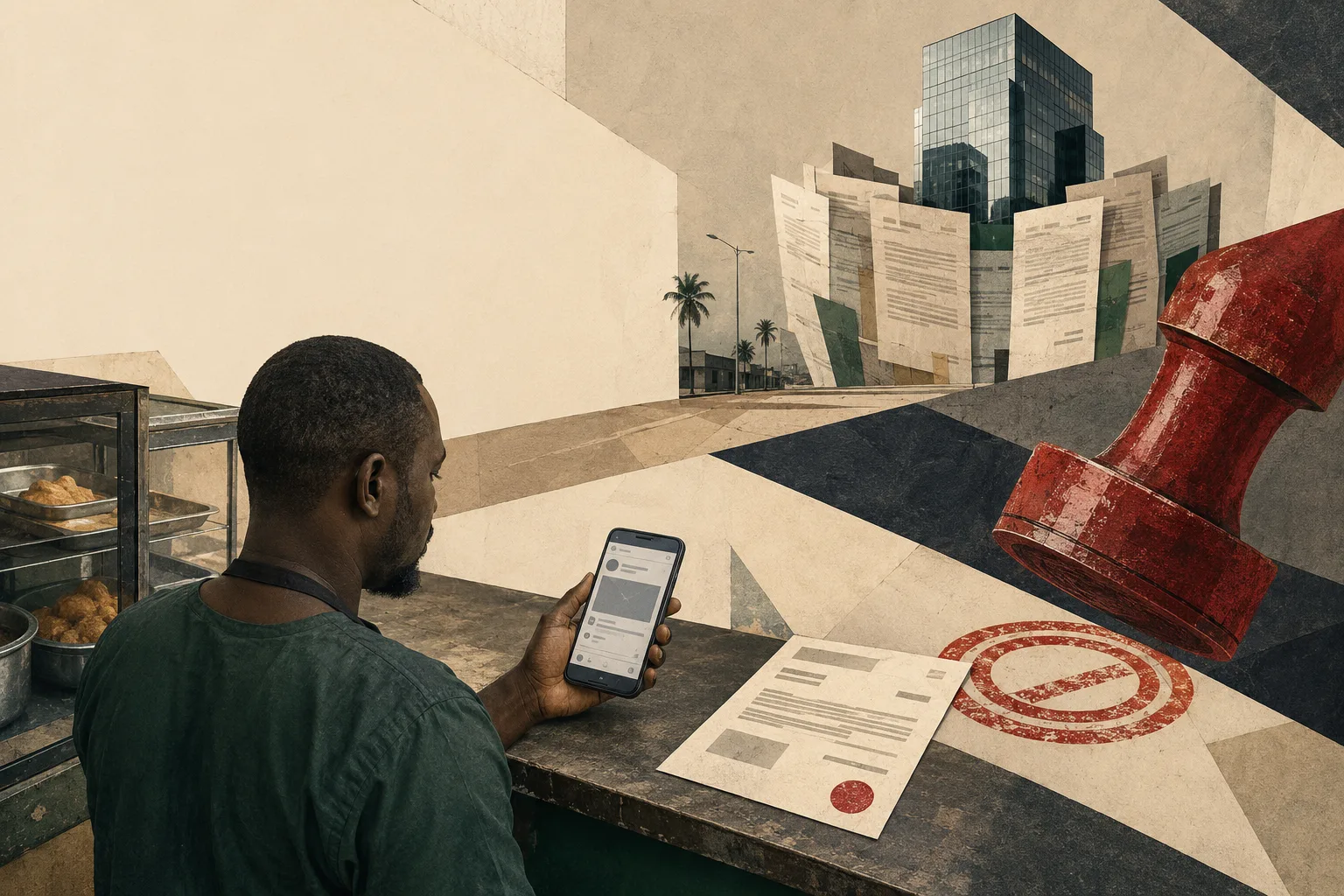
The email landed in February and it was short, which somehow made it worse. It told them they had published an advert without approval, that they needed to take it down, submit it for vetting, and pay one million naira per infraction within seven days.
The business is a restaurant in Lagos. They had spent about twenty thousand naira boosting posts on Instagram and Facebook over roughly twelve days, and that was the whole campaign. Twenty thousand naira, and now a bill for a million.
Somebody else opened their inbox around the same time and found a demand for three million, because they had run three separate adverts and each one counted.
And none of them had heard of the rule. That is the part worth sitting with. Nobody had told them it existed.
Now the thing is, when BusinessDay went to these owners in March, not one of them would put their name to it. They spoke anonymously, and not because they thought they had done something shameful, but because they were frightened of what ARCON would do if they complained where anyone could see.
Quick note if this is all new to you
ARCON is the Advertising Regulatory Council of Nigeria, the government body that polices advertising, and it gets its powers from a law passed in 2022.
For most of its existence it dealt with the things you would expect it to deal with, so billboards, radio, television, print. If you worked at an agency it was part of your week. If you ran a shop, you had probably never given it a thought in your life.
Then in May 2025 ARCON took the position that the internet is also its business. Since then, any advert aimed at Nigerians is meant to be approved before it goes anywhere. You send it to something called the Advertising Standards Panel, they look at it, they issue a certificate, and only then are you clear to run it.
Which sounds reasonable enough when you are picturing a bank running a national campaign. It applies just as much to somebody boosting a post about jollof.
Getting one advert vetted runs to about twenty or thirty five thousand naira and takes roughly ten working days. If the advert was made outside Nigeria, the fee is three million.
Anyway, back to it.
The bit that stings
Twenty thousand to do it properly, a million for not knowing it was a thing. That is fifty times the cost of a step nobody ever showed them.
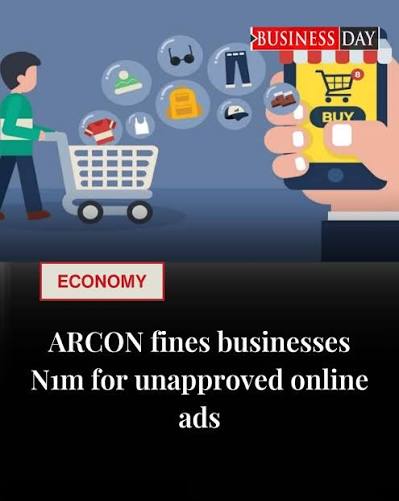
One of the owners said it to BusinessDay better than I can, which was to ask how you penalise someone for doing something you never showed them how to do.
And there is no gate anywhere in this. Meta does not ask you for an ARCON certificate before it takes your money, and neither does X. You tap boost, the advert goes out, the money leaves, and everything looks completely normal, so the first indication that anything has gone wrong is an email asking for a million naira with a seven day clock running.
So this is not a warning about something you might get wrong later. If you have ever boosted a post in Nigeria, it has already happened.
Meanwhile ARCON was picking a much bigger fight
On 21 October 2024, they sent a notice to Facebook Nigeria Operations Limited, and it was the same accusation the restaurant got, just with a very different number on it. Facebook and Instagram had been carrying adverts aimed at Nigerians without approval, repeatedly, and ARCON wanted sixty billion naira for it.
Facebook Nigeria did not pay, and instead took it to court.
Then on 18 June, ARCON lost
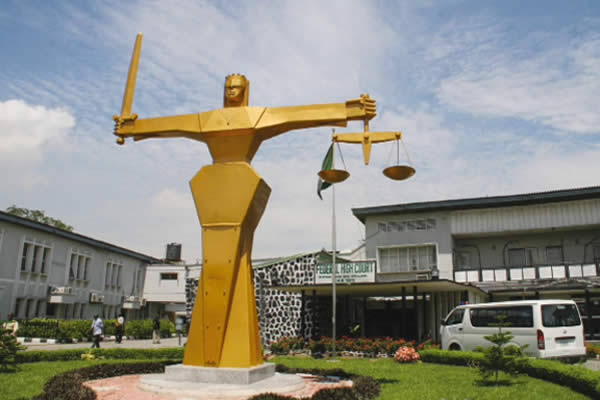
Justice Yellim Bogoro at the Federal High Court in Lagos threw the notice out entirely, and he gave three reasons, the first of which should matter to you more than the other two.
The first is that ARCON cannot fine anybody itself. Section 34 of its own Act says punishment follows conviction, and a conviction is something only a court can give you, so ARCON does not get to decide you are guilty, work out a number and post you the bill. It has to take you to court and win first.
The second is that ARCON never gave the company a chance to answer, because it made the accusation and imposed the penalty in the same document, and the judge held that this breaks section 36 of the Constitution, which is your right to a fair hearing.
And the third is that they went after the wrong company anyway, since Facebook Nigeria Operations Limited is a separate legal entity from Meta Platforms Inc, and ARCON never actually proved the Nigerian company owns or runs Facebook and Instagram.
The court then barred ARCON from ever enforcing that notice.
Here is what almost nobody has said out loud
Put those two halves side by side.
The power a judge has just questioned is the same power ARCON used on that restaurant in February. Decide guilt, calculate a penalty, send the bill, seven days to pay. Same mechanism at both ends, sixty billion naira at one and a million at the other.
Meta could afford to argue and won. The restaurant could not, and paid, or is still awake at night about it.
The trade press did cover the judgment, and covered it fast, with six outlets running more or less the same piece inside about seventy two hours. All of them made the case that the real issue is consumer protection and whether Nigeria becomes an easy place for multinationals to shrug off regulators, which is a perfectly fair argument to make. It is also an argument written for the industry, by the industry, and not one of them turned around and wrote it for the person who actually got the email.
Be careful if you go and look this up
Parts of this have been reported inconsistently, and you can easily come away with the wrong version.
The judgment was delivered on 18 June 2026, but most coverage did not appear until around 7 July, and at least one publication carries 13 July, which is its own publication date rather than the court’s. The judge’s name is spelled two ways depending on where you read it, Yellim in most places and Yelim in others. Different outlets also led on different grounds, so depending on which one you happened to read, you might believe the case turned on only one of the three reasons above.
There is one more detail here that deserves a moment. ARCON’s own published guidelines set a minimum penalty of five hundred thousand naira per party, and the notices that actually went out were for a million, so the enforcement was harsher than the written rule it was supposedly enforcing.
None of this is settled, which changes what you should do?
ARCON has appealed and applied for a stay of execution, and its Director General, Lekan Fadolapo, has said publicly that the judgment could throw the industry into real trouble. His argument is that without one central authority you could in principle need clearance across 774 local governments for a single national campaign, which is not a silly point.
There is also a competing judgment sitting there, because in April 2025 the same court, in a different case, confirmed that ARCON does have authority over digital advertising. So the law is genuinely unsettled, and anyone telling you ARCON is finished is getting ahead of the facts.
What the June judgment put in doubt is the mechanism rather than the mandate. ARCON can still regulate advertising. Whether it can personally hand you a fine is the open question.
And one small thing that tells you plenty. Within about a month of losing, ARCON set up a committee to give awards to businesses showing exemplary compliance. A regulator whose ability to punish people has just been questioned has started handing out prizes instead, and it was reported as an awards announcement.
So what should you actually do
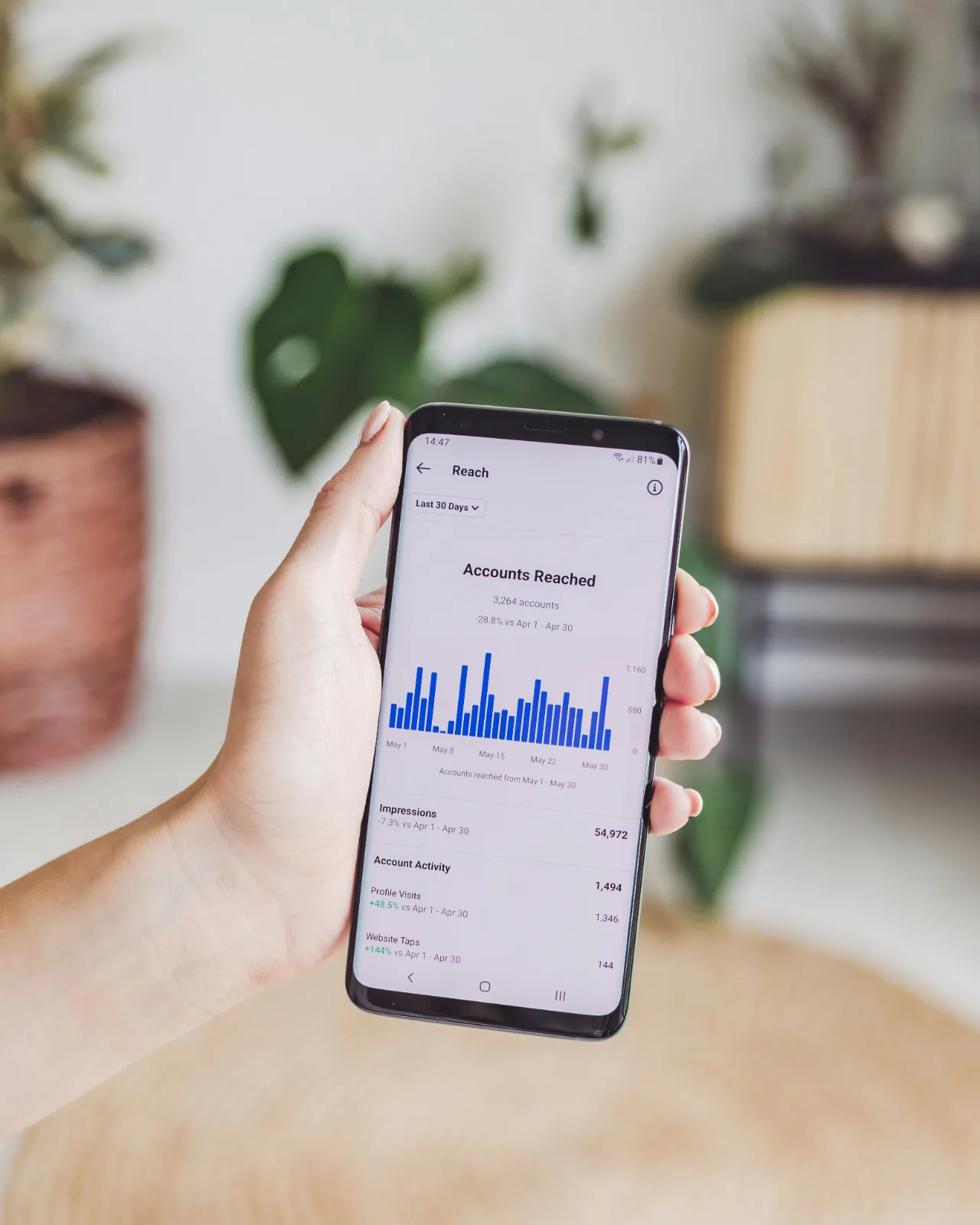
The simple part first, which is that you should keep getting new adverts vetted. The requirement has not gone away, the appeal might well succeed, and twenty thousand naira against a million is not a difficult calculation to run.
If a demand has already reached you, the important thing is to not pay it inside the seven days. Not to ignore it, which is a different mistake and a worse one, but to understand that the seven day clock exists to stop you thinking. Take the notice to a lawyer this week and ask them one specific question, which is whether, given the 18 June judgment in FHC/L/CS/2205/2024, that demand is actually enforceable against you. It is a narrow question with a real answer and it costs you one consultation. What you should not do is let it sit in your inbox and hope, because the appeal is live, and if ARCON wins it you will have thrown away a position you could have negotiated from.
Going forward, put vetting in the budget as an actual line, per campaign, the way you budget the media spend itself, rather than treating it as a nasty surprise. And if you are producing creative outside Nigeria, run the sum before you commission anything, because that three million naira foreign production fee is regularly more than the advert costs to make, which means producing in Lagos may be cheaper for reasons that have nothing to do with talent.
Then before you act on any of the above, check where the appeal has got to, because if a stay has been granted the practical position goes straight back to where it was in February and you need to know that before you make a decision.
The part that is really about your business
Take the law out of it and this is a story about who can afford to be treated fairly.
Meta had lawyers on retainer, so a demand turned into a case, and the case turned into a judgment that will now go on to protect other people. The restaurant had seven days and no idea the rule existed, so the demand turned into a payment, and the payment protected nobody at all.
The gap between those two outcomes was never about who was more in the wrong, since both were accused of exactly the same thing under exactly the same section. The gap was about who had the standing and the advice and the nerve to ask a question.
Which is worth sitting with, because it is the same gap that quietly decides a lot of things that have nothing to do with ARCON.
SOURCES
- BusinessDay, March 2026, businesses react to the ₦1m fines
- Guardian Nigeria, court upturns the ₦60bn fine
- Vanguard, court nullifies ARCON’s fine on Facebook Nigeria
- Sahara Reporters, 7 July 2026
- Tribune, Lekan Fadolapo on the appeal and the risk to the industry
- Technext, legal analysis on fair hearing
- Manifield Solicitors, navigating ARCON’s 2026 pre-vetting rules
- TVC News, on the judgment
- BrandCrunch, the industry’s reading of the judgment
- Advertising Regulatory Council of Nigeria